What is CMT?
Charcot-Marie-Tooth disease (CMT) is a genetic condition that affects the peripheral nervous system - the network of nerves that carries messages between the brain and spinal cord and the arms, hands, legs and feet. CMT is not contagious. It is usually inherited and often runs in families. There is currently no cure.
Why are we raising funds for CMT research?
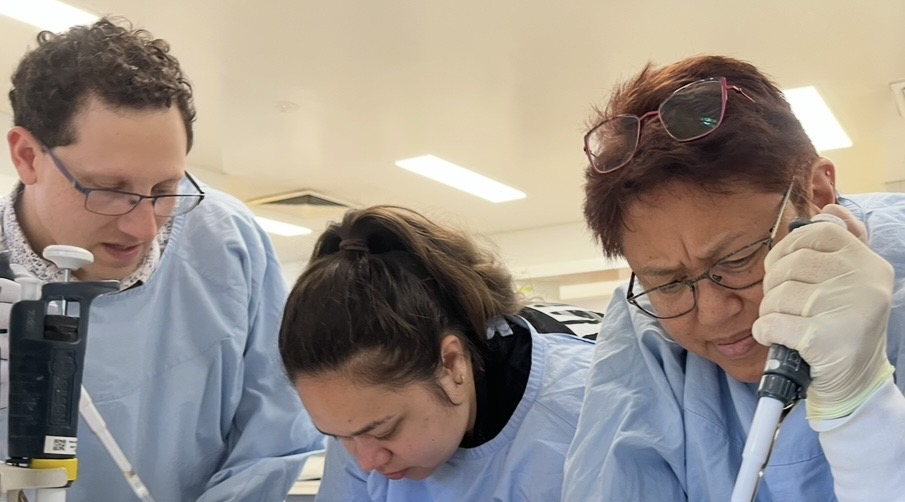
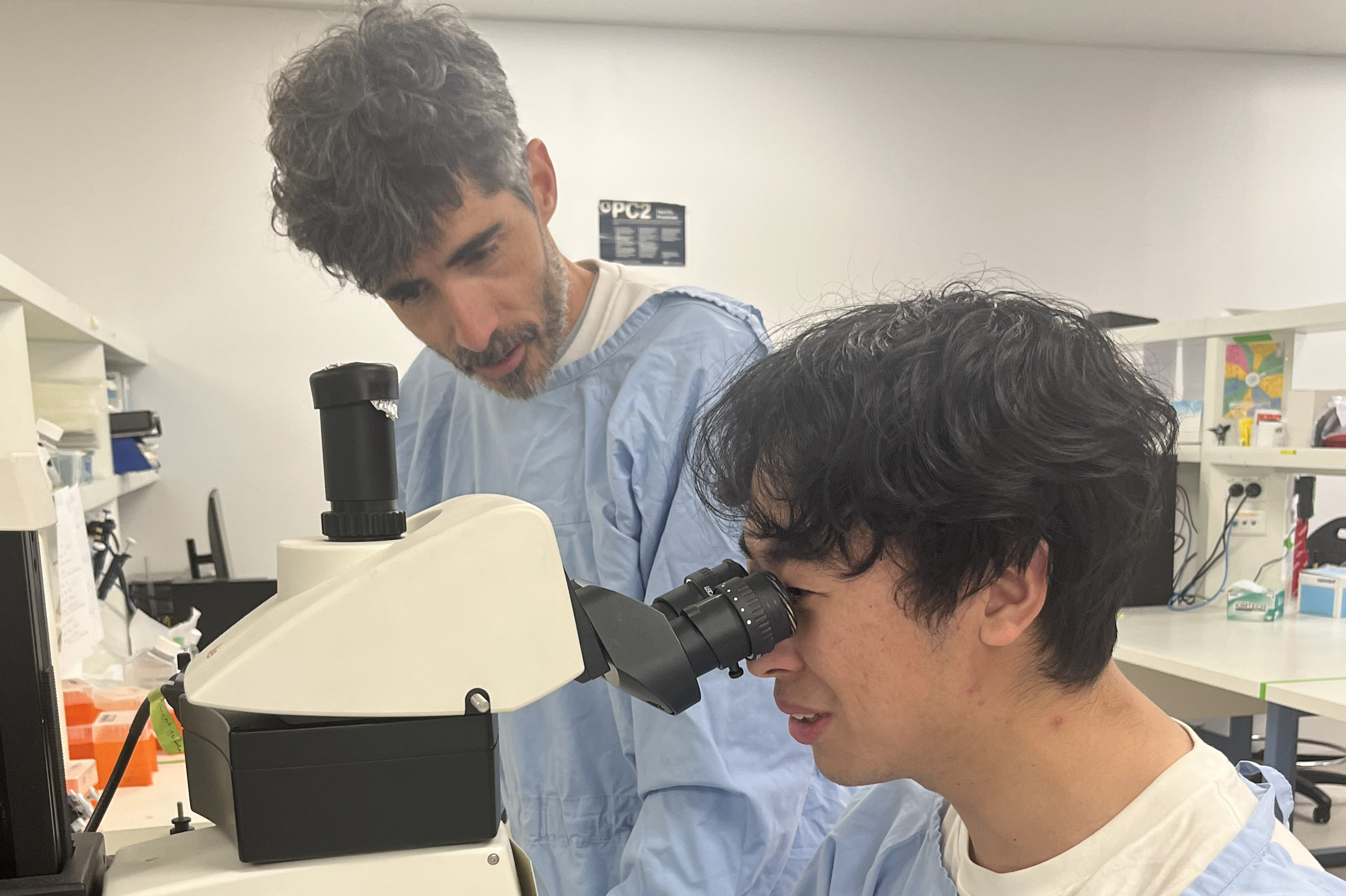
Donations help purchase the equipment needed to accelerate the world-leading CMT research conducted by the Northcott Neuroscience Laboratory, ANZAC Institute, based at Concord Hospital in Sydney. The Northcott Lab is led by Professor Marina Kennerson, an internationally recognised expert in CMT genetics. Charcot-Marie-Tooth disease is complex. It has 170 known sub-types, each caused by a different genetic variant (or mutation) which has its own specific mechanism for disrupting the healthy function of peripheral nerves. This makes the development of treatments very challenging. It also means that specific genetic diagnosis for an individual is key for them to gain a (future) treatment that is effective for them.
The Northcott Lab is helping to provide genetic diagnoses for the estimated 30–40% of people with Charcot-Marie-Tooth disease (CMT) whose condition remains genetically 'unsolved' meaning the underlying genetic cause has not yet been identified despite genetic testing.
The lab also investigates the specific disease mechanisms that drive CMT, advancing our understanding of how the condition develops and progresses. This research lays the foundation for the future development of more accurate diagnoses, and ultimately, effective treatments for people living with CMT.
What is it like to live with CMT?
Living with Charcot-Marie-Tooth disease (CMT) can affect every part of daily life, and no two people experience it in exactly the same way.
People with CMT often have muscle weakness in their feet, legs, hands and arms. This can make it difficult to walk, climb stairs, keep their balance, or do everyday tasks that require fine hand movements, such as writing, buttoning clothes or opening jars. Many people also experience fatigue and become tired more quickly than others.
Some people use mobility aids such as ankle-foot orthoses (AFOs), walking frames or wheelchairs to help them stay active and independent.
CMT can also cause ongoing pain, numbness or tingling, reduced sensation, hearing or vision problems, and, for some people, difficulties with speech or swallowing. In rare cases, it can also affect breathing.
CMT is a lifelong, progressive condition. There is currently no cure, and symptoms do not go away. They may gradually worsen over time. Symptoms can begin at any age—from infancy and childhood through to adolescence or adulthood.
Living with CMT can be physically, emotionally and financially challenging, not only for the person with the condition but also for their family, carers and loved ones. Despite these challenges, many people with CMT lead full and rewarding lives with the right support and healthcare
Because of your generous donation, the goal of finding effective treatments for CMT is one step closer. Thank you for your kindness and support!
Yes
Yes, as soon as your donation is processed.
What is CMT?
Charcot-Marie-Tooth disease (CMT) is a genetic condition that affects the peripheral nervous system - the network of nerves that carries messages between the brain and spinal cord and the arms, hands, legs and feet. CMT is not contagious. It is usually inherited and often runs in families. There is currently no cure.
Why are we raising funds for CMT research?
Donations help purchase the equipment needed to accelerate the world-leading CMT research conducted by the Northcott Neuroscience Laboratory, ANZAC Institute, based at Concord Hospital in Sydney. The Northcott Lab is led by Professor Marina Kennerson, an internationally recognised expert in CMT genetics. Charcot-Marie-Tooth disease is complex. It has 170 known sub-types, each caused by a different genetic variant (or mutation) which has its own specific mechanism for disrupting the healthy function of peripheral nerves. This makes the development of treatments very challenging. It also means that specific genetic diagnosis for an individual is key for them to gain a (future) treatment that is effective for them.
The Northcott Lab is helping to provide genetic diagnoses for the estimated 30–40% of people with Charcot-Marie-Tooth disease (CMT) whose condition remains genetically 'unsolved' meaning the underlying genetic cause has not yet been identified despite genetic testing.
The lab also investigates the specific disease mechanisms that drive CMT, advancing our understanding of how the condition develops and progresses. This research lays the foundation for the future development of more accurate diagnoses, and ultimately, effective treatments for people living with CMT.
What is it like to live with CMT?
Living with Charcot-Marie-Tooth disease (CMT) can affect every part of daily life, and no two people experience it in exactly the same way.
People with CMT often have muscle weakness in their feet, legs, hands and arms. This can make it difficult to walk, climb stairs, keep their balance, or do everyday tasks that require fine hand movements, such as writing, buttoning clothes or opening jars. Many people also experience fatigue and become tired more quickly than others.
Some people use mobility aids such as ankle-foot orthoses (AFOs), walking frames or wheelchairs to help them stay active and independent.
CMT can also cause ongoing pain, numbness or tingling, reduced sensation, hearing or vision problems, and, for some people, difficulties with speech or swallowing. In rare cases, it can also affect breathing.
CMT is a lifelong, progressive condition. There is currently no cure, and symptoms do not go away. They may gradually worsen over time. Symptoms can begin at any age—from infancy and childhood through to adolescence or adulthood.
Living with CMT can be physically, emotionally and financially challenging, not only for the person with the condition but also for their family, carers and loved ones. Despite these challenges, many people with CMT lead full and rewarding lives with the right support and healthcare
Because of your generous donation, the goal of finding effective treatments for CMT is one step closer. Thank you for your kindness and support!
Yes
Yes, as soon as your donation is processed.