The Cause.
Proposed Activity Centre boundaries include Significant Landscape Overlays (SLO’s) that protect landscape and canopy trees. The viability of these areas is under threat if proposed Activity Centre boundaries are adopted. Financial resources are needed to mount a case for the retention of the existing overlays within the planning scheme beyond the adoption of the Activity Centre Structure Plans. The importance of additional housing is acknowledged however not at the loss of high value habitat and tree canopy, also important in a warming climate.
Planning Victoria has announced the Planning Investigation Areas for three new Whitehorse Activity Centres - Blackburn, Nunawading and Mitcham. Phase 1. is open for consultation to the 30th November and Phase 2. will open early in 2026.
With a focus on increasing housing density around railway stations, the Activity Centre investigation areas include long established protected tree canopy overlays (SLO's) in each of the centres, These SLO protected areas have been embedded into the planning scheme since the late 1980's for Blackburn and Nunawading and later for Mitcham. They are now within the new walkable Housing Choice Transport Zone (HCTZ) where 3-4 storey apartments at the outer edge to more than 12 storey apartments will be permitted in the core.
If the high value SLO protected tree canopy areas remain within the HCTZ Activity Centre boundaries, they will be rezoned to the highest density residential zone, where only 10% of a site area is provided for landscaping and trees. The loss of existing high value protected tree canopy should not occur while at the same time the Whitehorse Planning Scheme seeks to increase urban tree canopy cover. The adopted state policy in the recently released ‘Plan for Victoria’ seeks 30% canopy cover across municipalities.
The community will seek to persuade Planning Victoria, through the Activity Centre consultation process to exclude the SLO’s from the HCTZ in Blackburn, Nunawading and Mitcham.
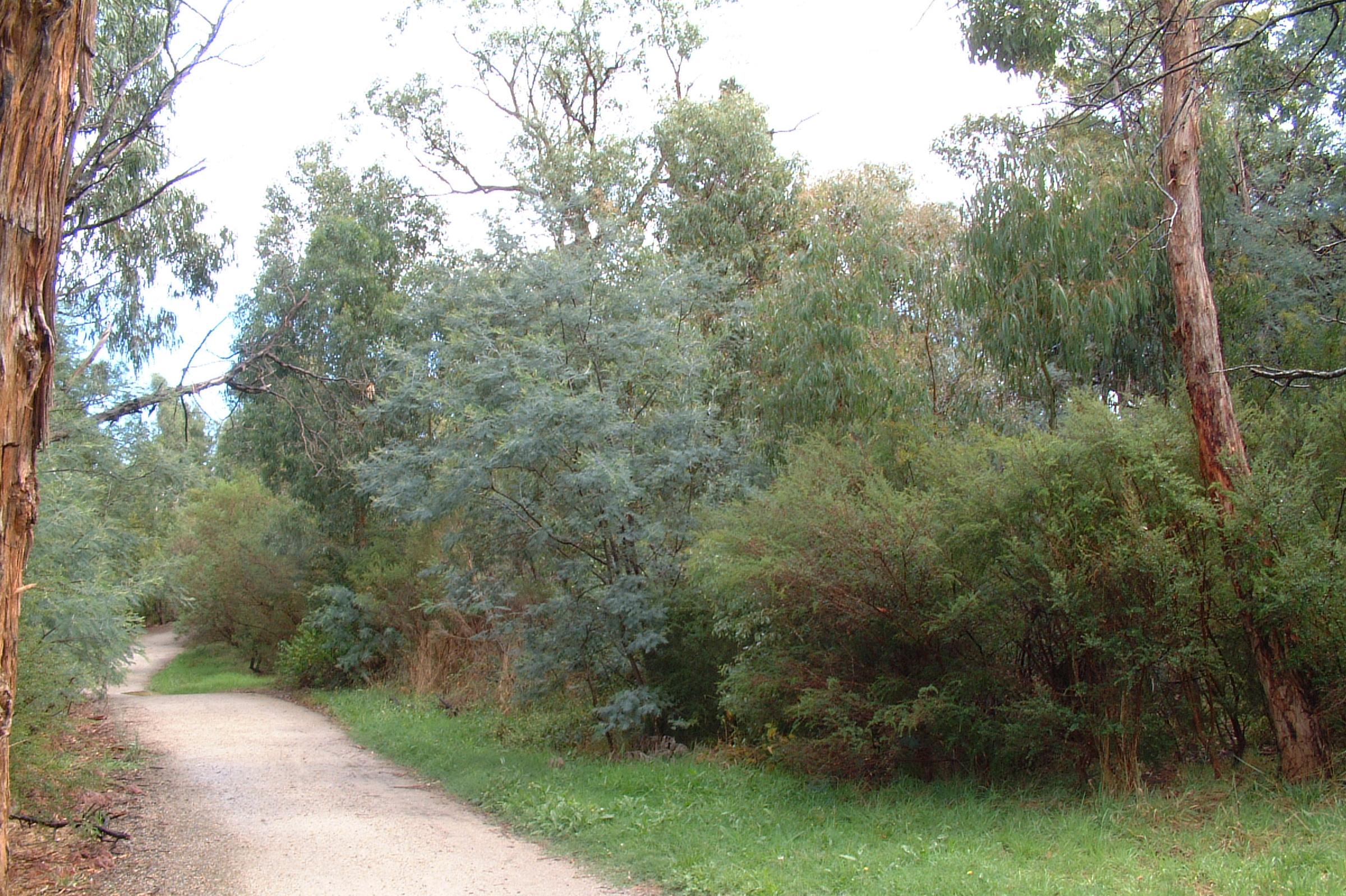
Blackburn and its surrounding suburbs within the City of Whitehorse embody the essence of The Bush Idyll, painted by Frederick McCubbin in Blackburn in 1893. The area continues to preserve much of the natural bushland that inspired this masterpiece—widely regarded as one of the finest works in Australian art history. Today, Whitehorse residents deeply value living in a region that has retained these unique environmental features, shaped by the foresight and care of past generations. It is our collective aspiration to preserve these legacies and pass them on to future generations, demonstrating that urban life can coexist harmoniously with a rich and distinctive environmental heritage. After all, urban living need not be defined by concrete and high-rises alone.
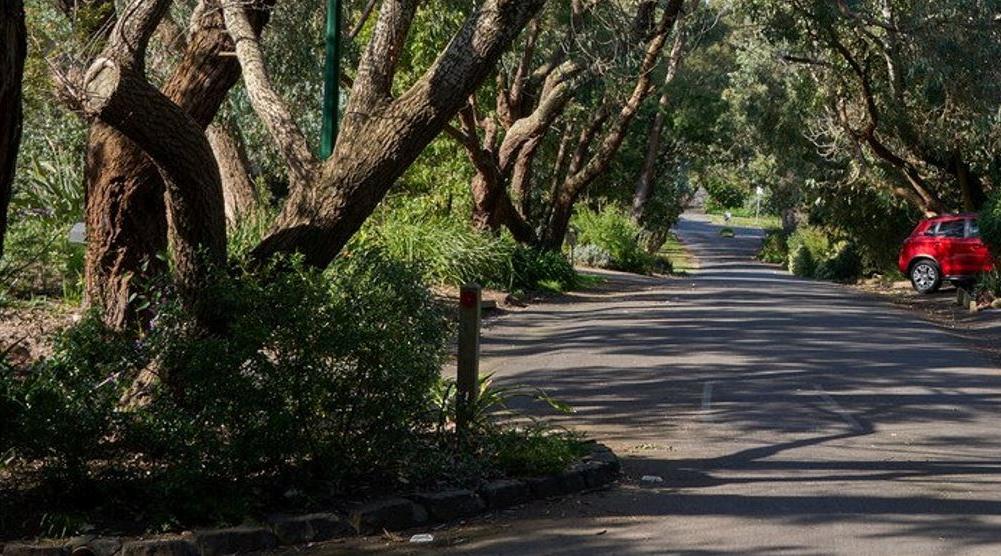
A major contribution from past visionaries to ensure Whitehorse retain its bush neighbourhood attributes, occurred in the 1980's when Blackburn residents reacted to tree clearing by developers and initiated a resident sponsored planning amendment to protect what is now known as the Bellbird National Trust streets (SLO1) and the surrounding 52 buffer streets (SLO2). The buffer streets support the viability of the high habitat value SLO1 area. The current Whitehorse Planning Scheme includes SLO1 and SLO2. The SLO3 (Walker Estate at Mitcham) and SLO4 (historic Blackburn model village) were gazetted in 2004.
Each of these SLO areas have been justified through strategic studies carried out on behalf of the City of Whitehorse to be worthy of landscape protection and enhancement. Each supported by the Council and residents and signed off by Planning Ministers.
The Fund.
Donations to the ‘'Retain our Significant Landscape Overlays' are tied to that cause, however, donations can also be made toward the broader objectives of The Blackburn and District Environment Protection Fund (The Fund) which makes grants to worthy environmental projects in Whitehorse.
Community individuals, philanthropic trusts, and business can make contributions to protect and enhance the natural environment of the City of Whitehorse.
The Fund is sponsored by the Blackburn and District Tree Preservation Society, and its objectives are to:
Yes
Yes, as soon as your donation is processed.
The Cause.
Proposed Activity Centre boundaries include Significant Landscape Overlays (SLO’s) that protect landscape and canopy trees. The viability of these areas is under threat if proposed Activity Centre boundaries are adopted. Financial resources are needed to mount a case for the retention of the existing overlays within the planning scheme beyond the adoption of the Activity Centre Structure Plans. The importance of additional housing is acknowledged however not at the loss of high value habitat and tree canopy, also important in a warming climate.
Planning Victoria has announced the Planning Investigation Areas for three new Whitehorse Activity Centres - Blackburn, Nunawading and Mitcham. Phase 1. is open for consultation to the 30th November and Phase 2. will open early in 2026.
With a focus on increasing housing density around railway stations, the Activity Centre investigation areas include long established protected tree canopy overlays (SLO's) in each of the centres, These SLO protected areas have been embedded into the planning scheme since the late 1980's for Blackburn and Nunawading and later for Mitcham. They are now within the new walkable Housing Choice Transport Zone (HCTZ) where 3-4 storey apartments at the outer edge to more than 12 storey apartments will be permitted in the core.
If the high value SLO protected tree canopy areas remain within the HCTZ Activity Centre boundaries, they will be rezoned to the highest density residential zone, where only 10% of a site area is provided for landscaping and trees. The loss of existing high value protected tree canopy should not occur while at the same time the Whitehorse Planning Scheme seeks to increase urban tree canopy cover. The adopted state policy in the recently released ‘Plan for Victoria’ seeks 30% canopy cover across municipalities.
The community will seek to persuade Planning Victoria, through the Activity Centre consultation process to exclude the SLO’s from the HCTZ in Blackburn, Nunawading and Mitcham.
Blackburn and its surrounding suburbs within the City of Whitehorse embody the essence of The Bush Idyll, painted by Frederick McCubbin in Blackburn in 1893. The area continues to preserve much of the natural bushland that inspired this masterpiece—widely regarded as one of the finest works in Australian art history. Today, Whitehorse residents deeply value living in a region that has retained these unique environmental features, shaped by the foresight and care of past generations. It is our collective aspiration to preserve these legacies and pass them on to future generations, demonstrating that urban life can coexist harmoniously with a rich and distinctive environmental heritage. After all, urban living need not be defined by concrete and high-rises alone.
A major contribution from past visionaries to ensure Whitehorse retain its bush neighbourhood attributes, occurred in the 1980's when Blackburn residents reacted to tree clearing by developers and initiated a resident sponsored planning amendment to protect what is now known as the Bellbird National Trust streets (SLO1) and the surrounding 52 buffer streets (SLO2). The buffer streets support the viability of the high habitat value SLO1 area. The current Whitehorse Planning Scheme includes SLO1 and SLO2. The SLO3 (Walker Estate at Mitcham) and SLO4 (historic Blackburn model village) were gazetted in 2004.
Each of these SLO areas have been justified through strategic studies carried out on behalf of the City of Whitehorse to be worthy of landscape protection and enhancement. Each supported by the Council and residents and signed off by Planning Ministers.
The Fund.
Donations to the ‘'Retain our Significant Landscape Overlays' are tied to that cause, however, donations can also be made toward the broader objectives of The Blackburn and District Environment Protection Fund (The Fund) which makes grants to worthy environmental projects in Whitehorse.
Community individuals, philanthropic trusts, and business can make contributions to protect and enhance the natural environment of the City of Whitehorse.
The Fund is sponsored by the Blackburn and District Tree Preservation Society, and its objectives are to:
Yes
Yes, as soon as your donation is processed.